
Rain changes everything on the golf course. Your grips get slick, your hands lose stability, and even a smooth swing can feel uncertain when the club starts moving in your fingers.
That is why golf rain gloves matter. Regular leather gloves can lose their grip in the rain, but rain gloves are made to perform in wet conditions. The right rain gloves can make a noticeable difference when the weather turns wet. They provide a firmer grip, ease the pressure on your hands, and help keep the clubface steady for more consistent shots.
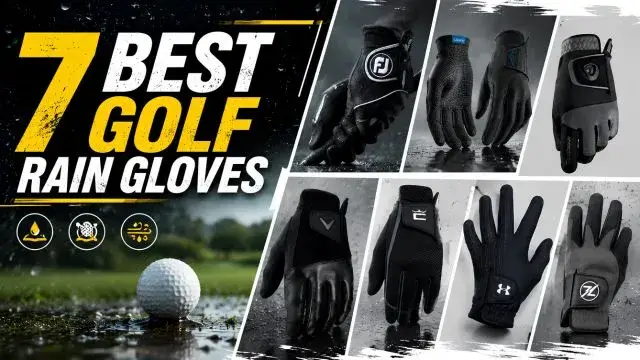
To help you find the best option, we’ve rounded up seven top-rated golf rain gloves that perform well in rainy, humid, and slippery conditions.
Table of Contents
Quick Comparison: Best Golf Rain Gloves
| Glove | Best For | Sold as a pair? | Main Strength | Getting Sources |
| FootJoy RainGrip | Best overall | Yes | Reliable wet-weather grip and quick-dry comfort | Check price in Amazon |
| Mizuno RainFit | Best fit and flexibility | Yes | Flexible synthetic leather/Lycra construction | Check price in Amazon |
| TaylorMade Rain Control | Best snug feel | Yes | Strong hold and thin microfiber feel | Check price in Amazon |
| Callaway Opti-Grip Rain | Best moisture control | Yes | Breathable panels and secure closure | Check price in Amazon |
| Cobra StormGrip | Best tech-friendly option | Yes | Touchscreen finger and DWR coating | Check price in Amazon |
| Under Armour Drive Storm | Best breathable rain resistance | Yes | UA Storm water-repellent backhand | Check price in Amazon |
| Zero Friction Storm All Weather | Best value fit | Yes | One-size style fits with microfiber suede grip | Check price in Amazon |
7 Best Golf Rain Gloves
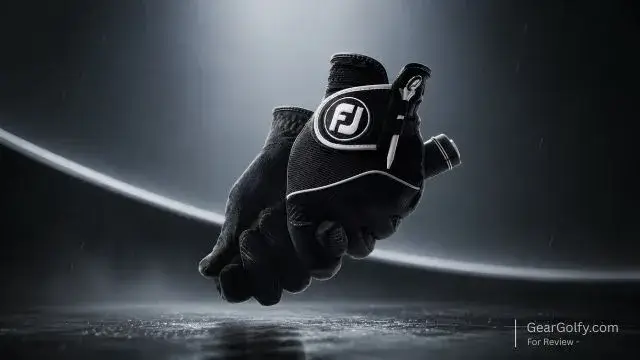
1. FootJoy RainGrip Golf Gloves
Best for
Golfers who want the safest overall pick for wet rounds, humid days, and unpredictable weather.
Key features
FootJoy RainGrip gloves are sold in pairs and use an Autosuede knit palm designed for wet or humid conditions. They also include QuikDry II knit material along the back of the fingers for breathability, flexibility, and quicker drying comfort. A removable ball marker is built into the glove design.
Pros
- Strong grip when the glove and club are wet
- Comfortable enough for a full round
- Quick-drying back-of-hand material
- Sold as a pair, which helps in heavy rain
- Available from one of the most established glove brands in golf
Cons
- Not designed for warmth in cold winter rain
- Some players may need time to adjust to wearing gloves on both hands
- Not as soft as premium Cabretta leather.
Why is it a good pick
FootJoy RainGrip is the easiest recommendation for most golfers because it does the core job well: it helps you hold the club when normal gloves start to fail. The Autosuede palm gives useful hand stability in wet-weather grip situations, and the flexible back makes the glove less bulky than many all-weather golf gloves.
For beginners, it is a dependable first pair of golf rain gloves. For better players, it is a practical glove to keep in the bag because it works when the forecast turns ugly.
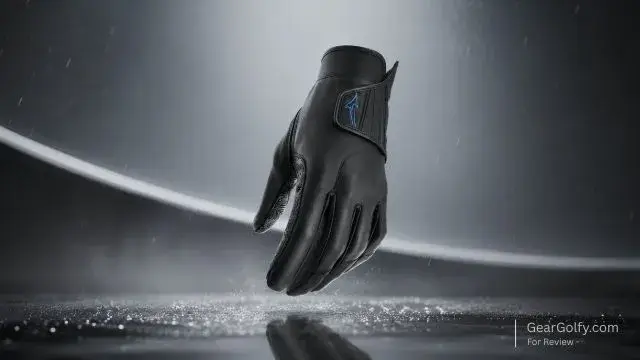
2. Mizuno RainFit Golf Gloves
Best for
Designed for players who prefer an athletic feel with reliable traction in rainy conditions.
Key features
Mizuno RainFit gloves use a hybrid synthetic leather and Lycra design for flexibility and comfort. The palm includes Mizuno’s 3D “1906” printed pattern, which is designed to enhance grip in wet conditions. The gloves are sold in pairs.
Pros
- Flexible fit through the fingers and back of the hand
- Enhances control with its textured grip pattern.
- Comfortable for walking rounds
- Sold as a pair
- Works well for players who dislike stiff rain gloves
Cons
- Less traditional leather feel
- It may not be the warmest option in colder rain
- Textured feel may not suit every golfer
Why is it a good pick
The Mizuno RainFit is one of the best golf rain gloves for players who prioritize fit. Some rain gloves can feel heavy or disconnected from the club, but the synthetic leather and Lycra blend helps the glove move with your hand.
This is a strong choice for mid-handicap and low-handicap golfers who want control without losing too much feel. It is also a good option for humid weather, where moisture control and flexibility are just as important as rain protection.
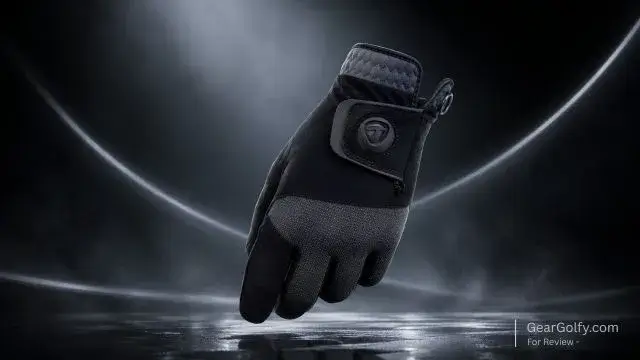
3. TaylorMade Rain Control Golf Gloves
Best for
Golfers who prefer a snug, form-fitting glove with a thin palm feel.
Key features
TaylorMade Rain Control gloves are built with Element Tech microfiber material, strong nylon fabric, and an ultra-thin microfiber suede for a form-fitting feel. TaylorMade lists the glove as offering a “40% stronger hold” and positions it for confidence in wet conditions.
Pros
- Thin, close-to-the-club feel
- Strong wet-condition hold
- Ideal if you prefer a secure, tight fit.
- Durable nylon construction
- Clean, performance-focused design
Cons
- May feel too snug for golfers with wider hands
- Not the softest glove for dry-weather use
- Availability can vary by retailer and region
Why is it a good pick
TaylorMade Rain Control is a smart pick for players who dislike bulky rain gear. The thin microfiber suede helps preserve feel, while the wet-weather construction gives more traction than a standard leather glove in rain.
These golf rain gloves make sense for competitive players, fast swingers, and anyone who wants to reduce grip pressure when the handle gets wet. If you tend to grip the club too tightly in rainy conditions, a glove with a firmer hold can help you swing more naturally.
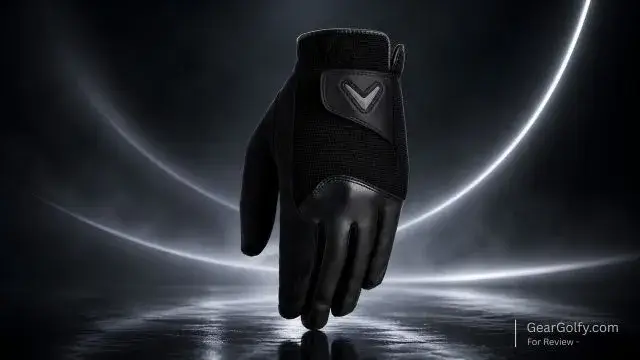
4. Callaway Opti-Grip Rain Golf Gloves
Best for
Golfers who want moisture control, a secure closure, and a familiar glove fit.
Key features
Callaway Opti-Grip Rain gloves use a microfiber suede full palm for grip performance in wet environments. They also include Opti Flex material for flexibility, X-Spann material between the fingers for moisture wicking and breathability, an Opti Fit adjustable closure, and a stretch binding cuff for a secure feel.
Pros
- Good balance of grip, flexibility, and breathability
- Moisture-wicking finger panels
- Secure adjustable closure
- Comfortable for different skill levels
- Strong choice for humid rounds as well as rain
Cons
- Not always as widely available as FootJoy RainGrip
- May not suit golfers who want a very thin glove
- Style and sizing options may depend on retailer stock
Why is it a good pick
Callaway Opti-Grip Rain gloves are practical for golfers who playin wetand humidconditions, not just steady rain. The X-Spann panels help with moisture control, while the microfiber suede palm gives the traction needed when grips become slippery.
This is one of the best golf gloves for rain if you want a more traditional glove shape with added wet-weather function. It is especially useful for golfers who sweat heavily or play in warm, humid climates.
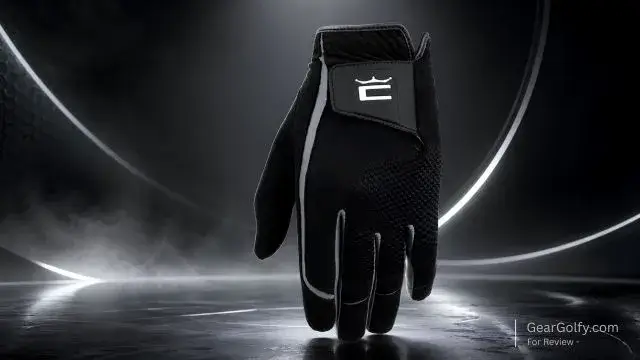
5. Cobra StormGrip Rain Golf Gloves
Best for
Golfers who want wet-weather grip plus practical extras like touchscreen compatibility.
Key features
Cobra StormGrip rain gloves use a StormGrip suede palm for wet-weather grip. Retail product details also list a DWR coating, a moisture membrane, lightweight mesh construction, form-fitted wristbands, and a touchscreen-compatible index finger. They are supplied as a pair.
Pros
- Strong grip-focused palm material
- Touchscreen-compatible finger
- DWR coating helps with water resistance
- Lightweight mesh improves comfort
- Sold as a pair
Cons
- No built-in ball marker on some versions
- May be harder to find in certain markets
- Water resistance does not mean fully waterproof
Why is it a good pick
Cobra StormGrip is a useful choice for golfers who want performance and convenience. The touchscreen finger is not essential, but it helps when checking GPS, scoring apps, or messages during a wet round.
From a playing standpoint, the glove is built around hand stability in wet conditions. The suede palm helps keep the club from twisting, while the lighter construction keeps it from feeling like a winter glove.
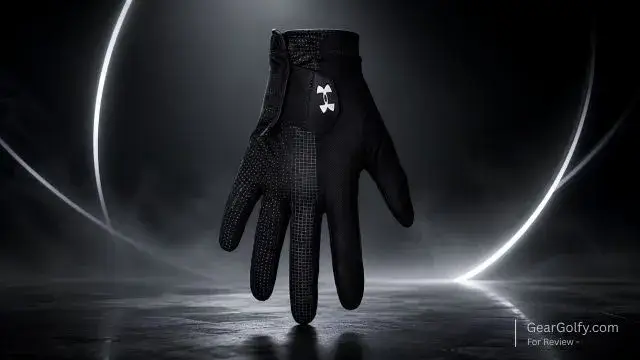
6. Under Armour Drive Storm Golf Gloves
Best for
Golfers who want breathable rain resistance and a modern athletic feel.
Key features
Under Armour Drive Storm gloves use bonded knit fabric on the back of the hand with UA Storm technology, which is designed to repel rain without sacrificing breathability. They also include a synthetic leather palm for wet-condition playability, updated thumb construction, a built-in closure tab, and odor-control technology.
Pros
- Good breathability for damp and humid rounds
- Water-repellent backhand construction
- Synthetic leather palm gives a familiar feel
- Secure adjustable fit
- Useful odor-control feature
Cons
- Not the grippiest option for heavy downpours
- Synthetic leather may not perform like suede-style palms in very wet conditions
- Fit may feel different from traditional leather gloves
Why is it a good pick
Under Armour Drive Storm is best for golfers who play in light rain, mist, or humid conditions and want comfort as much as traction. It is not the most aggressive rain glove in this list, but it does a good job balancing water resistance, breathability, and fit.
These golf rain gloves are especially good for players who do not want their hands to overheat. If your main issue is moisture buildup rather than constant heavy rain, the Drive Storm deserves consideration.
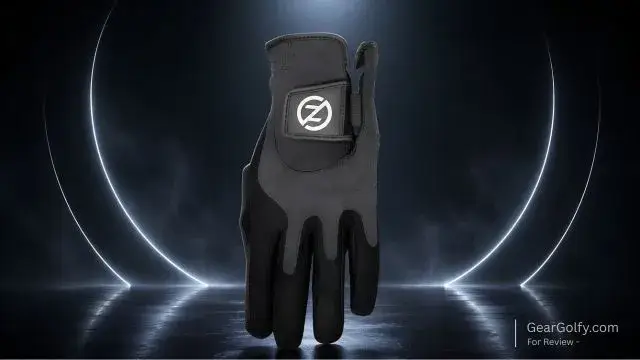
7. Zero Friction Storm All-Weather Golf Gloves
Best for
Golfers who want value, adaptive fit, and a pair of rain gloves to keep in the bag.
Key features
Zero Friction Storm All-Weather gloves use premium microfiber suede for grip in wet or humid weather. They are sold in pairs and include reinforced Lycra, mesh Lycra through the fingers and back of the hand for breathability, touchscreen compatibility, and a detachable tee and ball marker.
Pros
- Great value for golfers needing a pair.
- Microfiber suede helps in wet and humid weather
- Flexible fit design
- Breathable mesh areas
- Includes practical extras
Cons
- One-size or adaptive-fit gloves may not fit everyone perfectly
- Not as premium-feeling as higher-end fitted gloves
- Players with very small or very large hands may prefer exact sizing
Why is it a good pick
Zero Friction Storm All-Weather gloves are a practical, budget-friendly option. They are not the most refined gloves on this list, but they offer a useful mix of wet-weather grip, breathability, and convenience.
These rain gloves for golf are best for casual players, weekend golfers, and anyone who wants an affordable backup pair. If you only play in the rain occasionally, this is a sensible glove to keep in your golf bag.
Check Best Golf Gloves in 2026.
Buying Guide: How to Choose Golf Rain Gloves
Choosing golf rain gloves is not the same as choosing a standard leather glove. In wet conditions, grip, fit, and material behavior matter more than luxury feel.
Prioritize wet-weather grip
The main reason to buy golf rain gloves is to stop the club from slipping. Look for suede-style palms, microfiber materials, textured grip patterns, or wet-grip fabrics that are specifically designed for rain.
A glove that feels soft in the store is not always the best option in the rain. Its true performance comes down to one thing: can it still provide a secure hold in wet conditions?
Buy a pair, not just one glove
Most rain gloves for golf are sold in pairs for a reason. In heavy rain, your lower hand can slip too, especially during transition and release.
Some golfers still wear only one glove in light rain. But in steady rain, wearing gloves on both hands gives better hand stability and makes the club feel more secure.
Check the fit carefully
A rain glove should fit snugly without cutting off movement. If it is loose, the glove can twist around your hand. If it is too tight, it can restrict your grip and reduce feel.
Pay attention to finger length, palm width, closure security, and wrist comfort. A proper glove fit becomes even more important in wet conditions, as moisture can make a loose or tight fit feel worse.
Think about breathability
Rain gloves should handle outside moisture, but they also need to manage sweat. Breathable panels, Lycra, mesh, and moisture-wicking materials can help prevent your hands from feeling clammy.
This matters most in humid climates where your gloves may get wet from sweat even when it is not raining.
Consider warmth separately
Not all golf rain gloves are winter gloves. Some are built for grip and quick drying, while others add insulation for cold weather.
If you play in cold rain, consider a warmer winter-style glove. If you play in summer storms, choose a lighter, more breathable rain glove.
Balance, feel, and security
The best golf rain gloves do not always feel like premium Cabretta leather. That is normal. Rain gloves are built for control first.
Still, better players may prefer thinner palms and flexible construction because they want to feel the clubhead. Beginners may prefer maximum grip and security.
Golf Rain Gloves vs Regular Golf Gloves
Regular golf gloves are usually designed for dry feel, tackiness, and comfort. Many are made from Cabretta leather or synthetic leather. They can feel excellent in normal conditions, but once saturated, they often lose grip and become slippery.
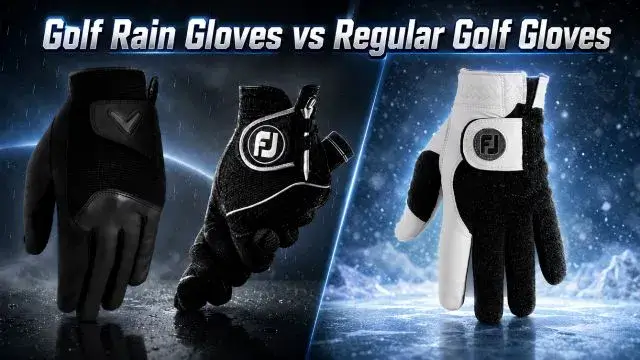
Golf rain gloves are different. They are built to maintain or increase traction when wet. Many use microfiber suede, autosuede knit, textured synthetic material, or printed grip patterns. Instead of trying to stay perfectly dry, they are designed to keep the club secure even when moisture is present.
That makes golf rain gloves a better choice for steady rain, wet grips, morning dew, and humid rounds. A standard glove feels better in dry conditions, but rain gloves offer the grip and control you need when the course gets wet.
How to Care for Golf Rain Gloves
Proper care helps your gloves last longer and perform better. After a wet round, do not throw your gloves into a zipped pocket and forget about them. Open the gloves, reshape them gently, and let them air dry at room temperature.
Avoid direct heat from a dryer, radiator, or hair dryer. High heat can damage synthetic materials, shrink the glove, or make the palm stiff.
If the gloves are muddy, wipe them gently with a damp cloth. Do not scrub aggressively unless the manufacturer specifically says the glove is washable.
Once dry, store them flat or loosely folded in your golf bag. Don’t leave them buried under your golf gear, as pressure can affect their shape and closure over time.
It is also smart to rotate gloves. If you play often in wet or humid conditions, keeping two pairs of golf rain gloves in the bag gives one pair time to dry while the other stays ready.
Final Recommendation
If you want the safest overall choice, FootJoy RainGrip is the best starting point. It offers dependable wet-weather grip, quick-dry comfort, and a proven rain-specific design.
If fit and flexibility matter most, Mizuno RainFit is excellent. If you prefer a thin, snug feel, TaylorMade Rain Control is a strong option. For humid weather and moisture control, Callaway Opti-Grip Rain is a smart pick. Cobra StormGrip adds useful modern features, Under Armour Drive Storm is good for breathable rain resistance, and Zero Friction Storm All Weather is the value choice.
The right golf rain gloves will not make bad weather disappear, but they can make wet golf much more playable. Choose a pair that fits your hand, suits your climate, and gives you enough grip confidence to swing without fear of the club slipping.
FAQ: Golf Rain Gloves
Yes, good golf rain gloves can make a noticeable difference in wet conditions. They are designed to improve grip when regular gloves and bare hands become slippery. Rain gloves won’t correct a weak grip or flawed swing, but they can help you keep the club under control.
For light drizzle, one glove may be enough. For steady rain, wearing two pairs of gloves is usually better because both hands are exposed to moisture. Most dedicated rain gloves for golf are sold in pairs.
Most are not fully waterproof. They areusuallydesigned for grip, breathability,and moisture control rather than complete water blocking. Many perform well when wet instead of trying to keep all water out.
Yes. Golf rain gloves can be very useful in humid conditions, especially if your hands sweat or your grips feel slick. Breathable models are better for warm, humid rounds.
They should fit snugly across the palm and fingers without restricting movement. A loose glove can twist during the swing, while an overly tight glove can reduce feel and comfort.
FootJoy RainGrip and Zero Friction Storm All Weather are strong beginner-friendly options. FootJoy offers reliable all-around performance, while Zero Friction is a practical value pick.
For cold rain, look for gloves that combine wet-weather grip with insulation or a longer cuff. Standard rain gloves are usually better for wet grip, while winter gloves are better when warmth is also a priority.

